
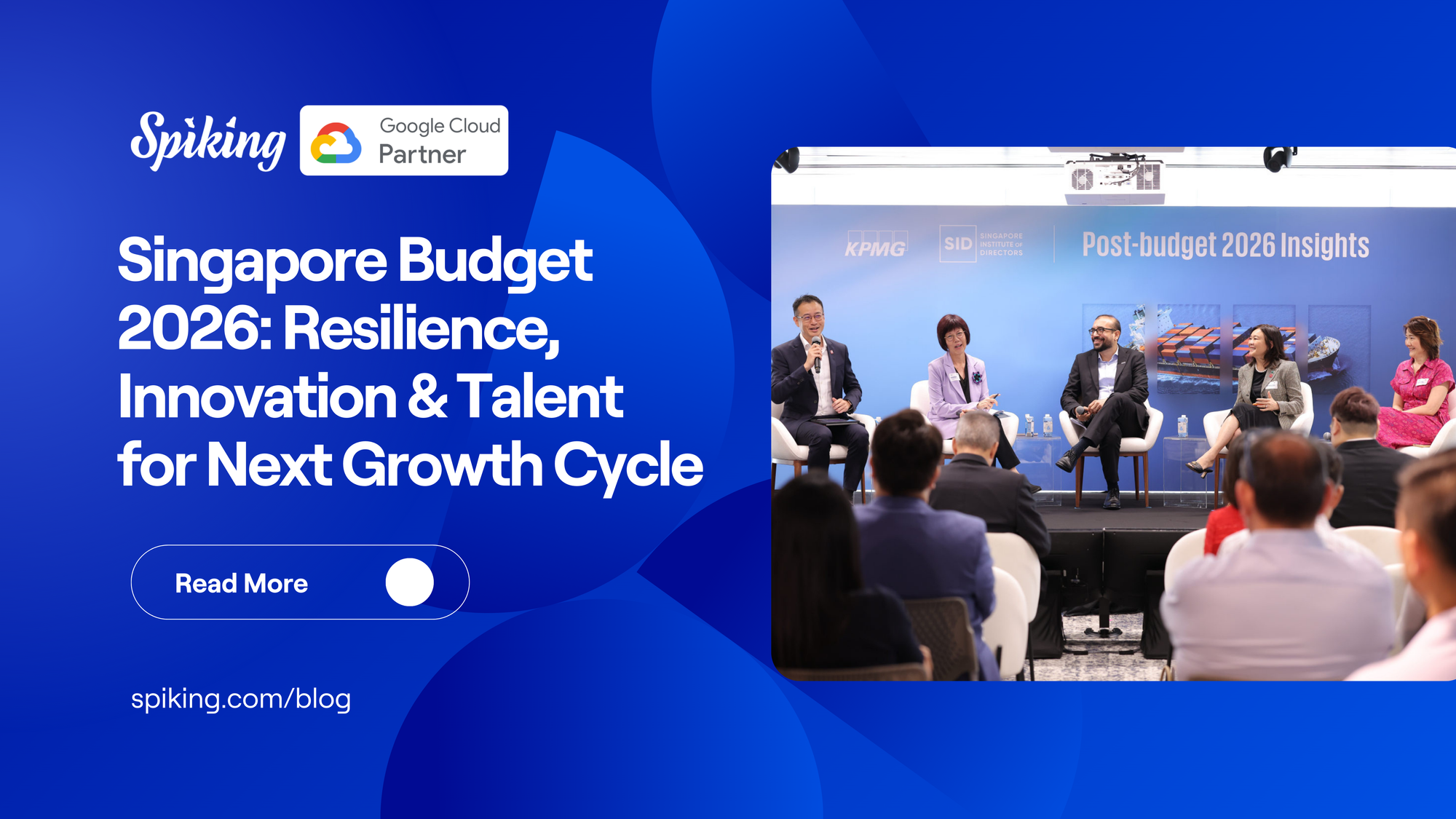
Singapore Budget 2026 Seminar: Strengthening Resilience, Innovation and Talent for the Next Growth Cycle
Key takeaways from the Singapore Budget 2026 Seminar on resilience, AI governance and talent transformation. A strategic lens on policy, innovation and long-term business growth.

Introduction
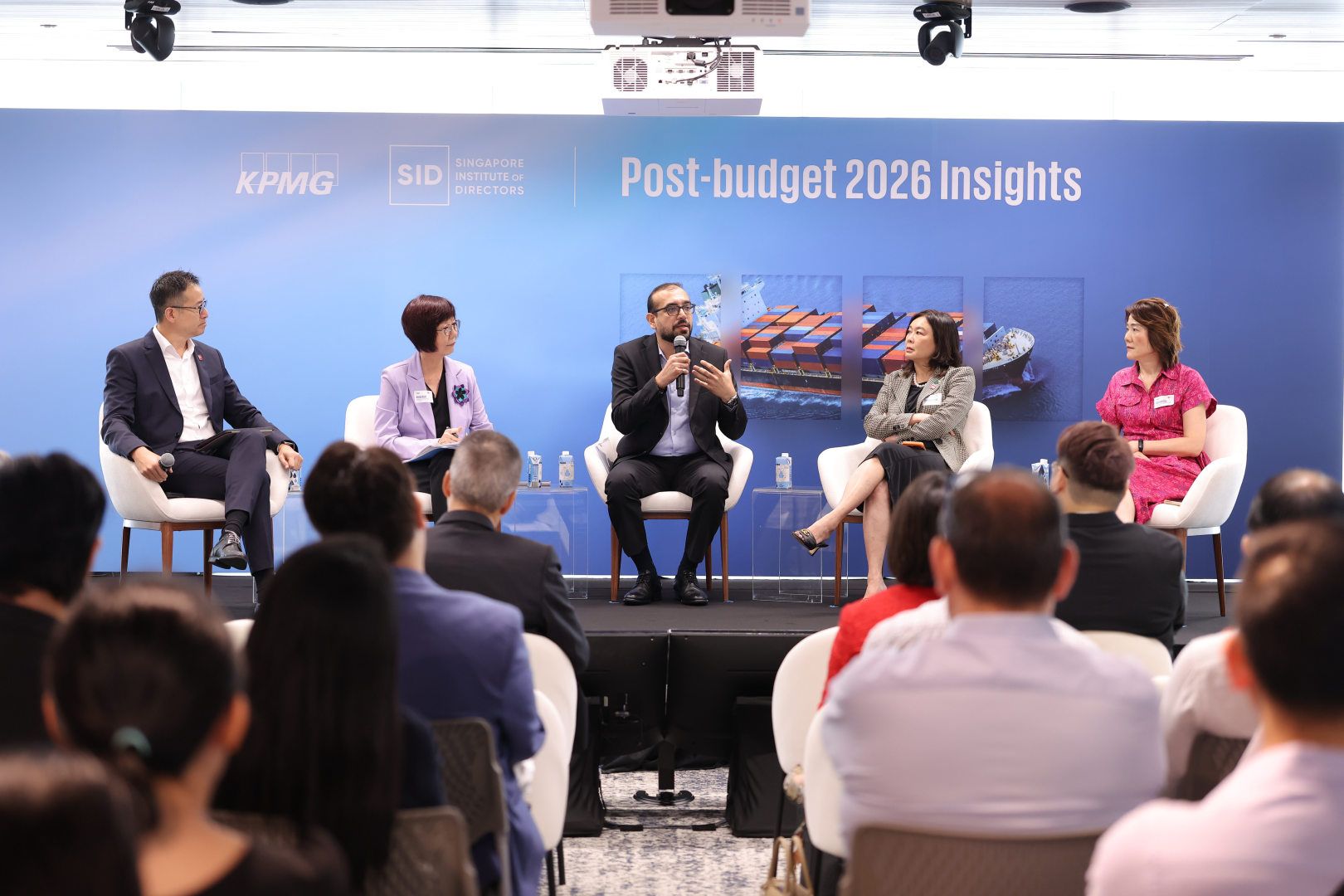
The Singapore Budget 2026 Seminar, jointly presented by KPMG Singapore and the Singapore Institute of Directors (SID), brought together board directors, senior executives and business leaders to examine how Singapore can strengthen its position in a rapidly evolving global economy.
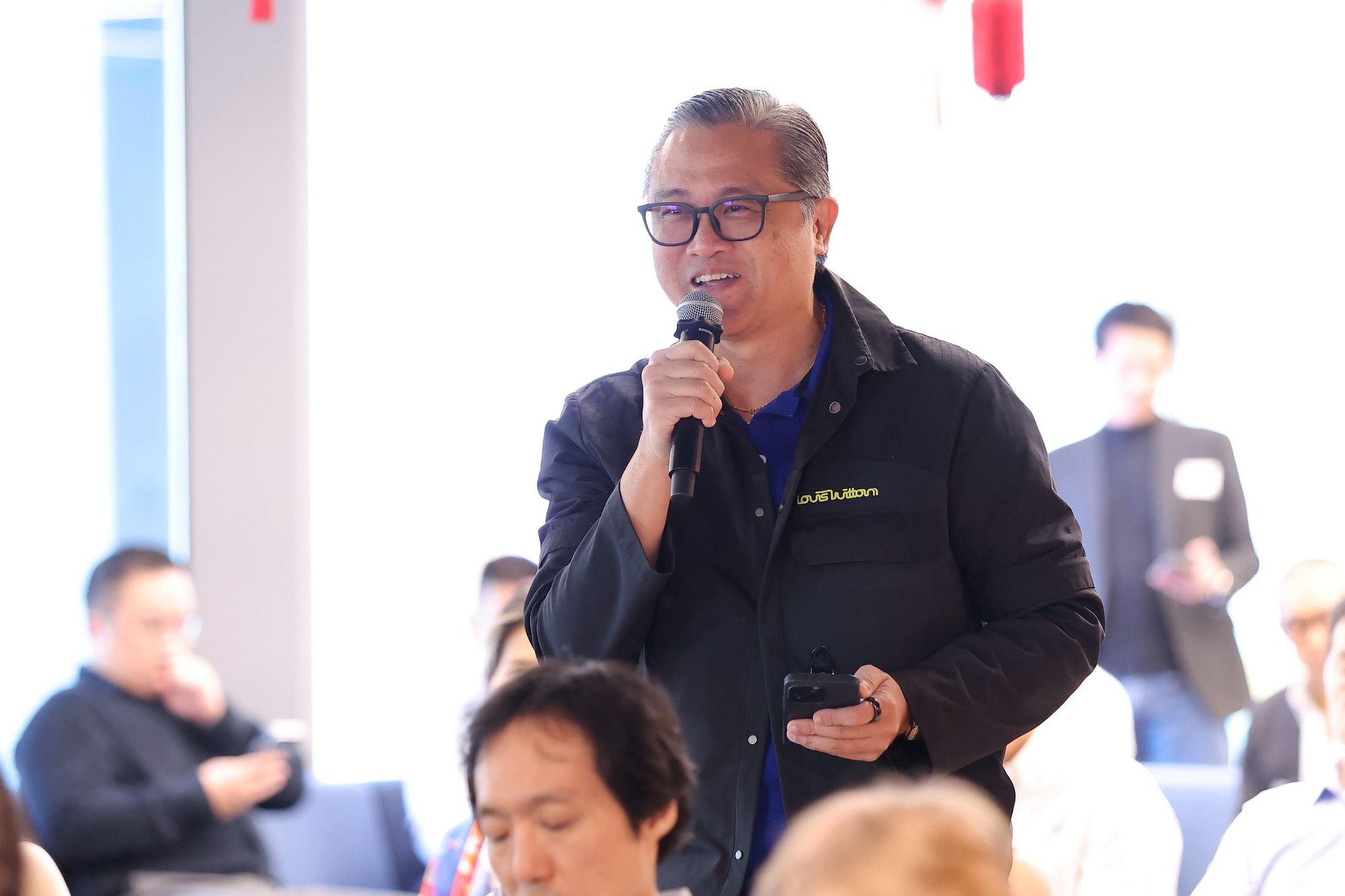
Among the distinguished participants was Sir Dr. Clemen Chiang, who took part as a Senior Accredited Director and member of the Singapore Institute of Directors, contributing perspectives shaped by governance, strategy and capital markets experience.
The seminar centered on resilience, digital transformation, AI governance and workforce evolution - themes that will directly influence corporate strategy and investment decisions in the years ahead.
Summary of the Budget 2026 Seminar
The discussions focused on how Singapore can remain competitive amid global fragmentation, technological acceleration and shifting capital flows. Speakers examined the broader economic outlook, policy measures introduced under Budget 2026, and the practical implications for companies navigating cost pressures, compliance demands and digital disruption.
The joint proposal by KPMG and SID outlines a forward-looking strategy built around resilience, innovation and talent transformation. The emphasis was clear: Singapore’s long-term competitiveness depends not only on incentives and policy support, but on how effectively businesses execute transformation at the board and operational levels.
Key Insights
Global Economic Resilience
In a fragmented global environment, resilience is a strategic advantage. The seminar emphasised strengthening Singapore’s role as a trusted hub for trade and capital while helping businesses manage rising cross-border complexity. Stability and policy clarity remain critical to attracting long-term investment.
The Intelligent Age & AI Governance
AI adoption is accelerating, but implementation must be matched with governance. Directors are increasingly expected to understand AI risks and opportunities to ensure responsible deployment. Strong oversight at the board level is becoming essential to sustain investor confidence and long-term value creation.
Next-Generation Talent Development
Sustainable growth depends on workforce agility. The discussions highlighted the importance of upskilling, leadership development and attracting specialised expertise. Talent transformation is now a strategic lever, not just an operational initiative.
Strategic Tax Incentives & Business Support
Budget measures aim to ease cost pressures while encouraging innovation and expansion. Enhanced incentives and support schemes provide businesses with room to reinvest, scale and strengthen international competitiveness.
Conclusion
The seminar reinforced a clear message: resilience, governance, innovation and talent transformation will define Singapore’s next growth cycle.
At Spiking, we interpret these policy directions through the lens of capital flows and structural market shifts - analysing how incentives, governance standards and technological adoption influence sector leadership and long-term value creation.
With leaders such as Sir Dr. Clemen Chiang contributing to the dialogue, the takeaway is evident:
Policy defines the framework.
Execution defines the outcome.
Understanding both is what separates reaction from strategy.


