How Investors Should Position Portfolios for 2026 Market Volatility
Learn how investors can prepare for 2026 market volatility by building resilient portfolios through diversification, quality investments, and disciplined long-term strategies.

Table of Contents
Introduction
Markets move fast, and 2026 is shaping up to be no different. From rising interest rates to AI-driven breakthroughs, changing global economies, and geopolitical uncertainty, investors face a world where volatility is the new normal.
Opportunities are everywhere, but recognizing them isn’t enough — action, discipline, and a well-structured portfolio are what separate successful investors from the rest. Instead of trying to predict every market twist, the key is to build a resilient portfolio that can thrive across different conditions.
How Should Investors Prepare for Market Volatility in 2026?
Volatility isn’t something to fear — it’s a signal. It opens doors for investors who are prepared to navigate uncertainty with a clear strategy.
In 2026, preparing your portfolio means balancing growth potential with risk management, and staying diversified across sectors, asset classes, and regions. When markets swing, a disciplined, long-term approach allows you to capitalize on opportunities instead of reacting to noise.
Strategies to Position Your Portfolio for 2026 Market Volatility
Diversify Your Portfolio
Spreading investments across sectors, asset classes, and geographies reduces exposure to sudden downturns. Examples include:
- Technology, Healthcare, Financials, Consumer sectors
- Stocks, Bonds, REITs, and Cash
- Domestic and international markets
Diversification is your first defense against market swings.
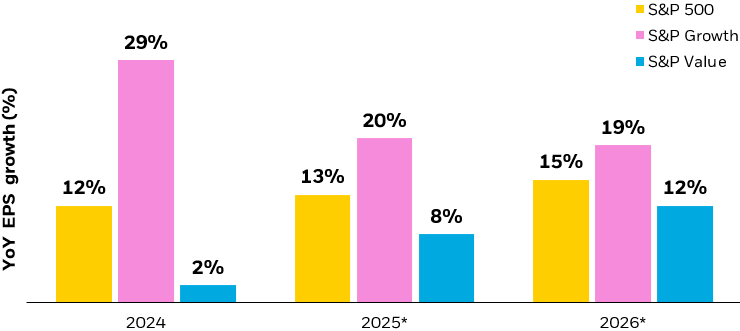
Focus on Quality Businesses
Companies with strong financials, steady cash flow, and competitive advantages are more likely to weather volatility. Focus on businesses that can grow sustainably, even when the market faces turbulence.
Keep Some Cash Available
Having liquidity allows you to act when markets create attractive buying opportunities. Cash isn’t idle — it’s optionality, giving you the flexibility to invest at the right moment.
Avoid Emotional Investing
Fear and hype often lead to poor decisions. Stay disciplined, stick to your strategy, and avoid chasing the latest trends or reacting impulsively to daily headlines.
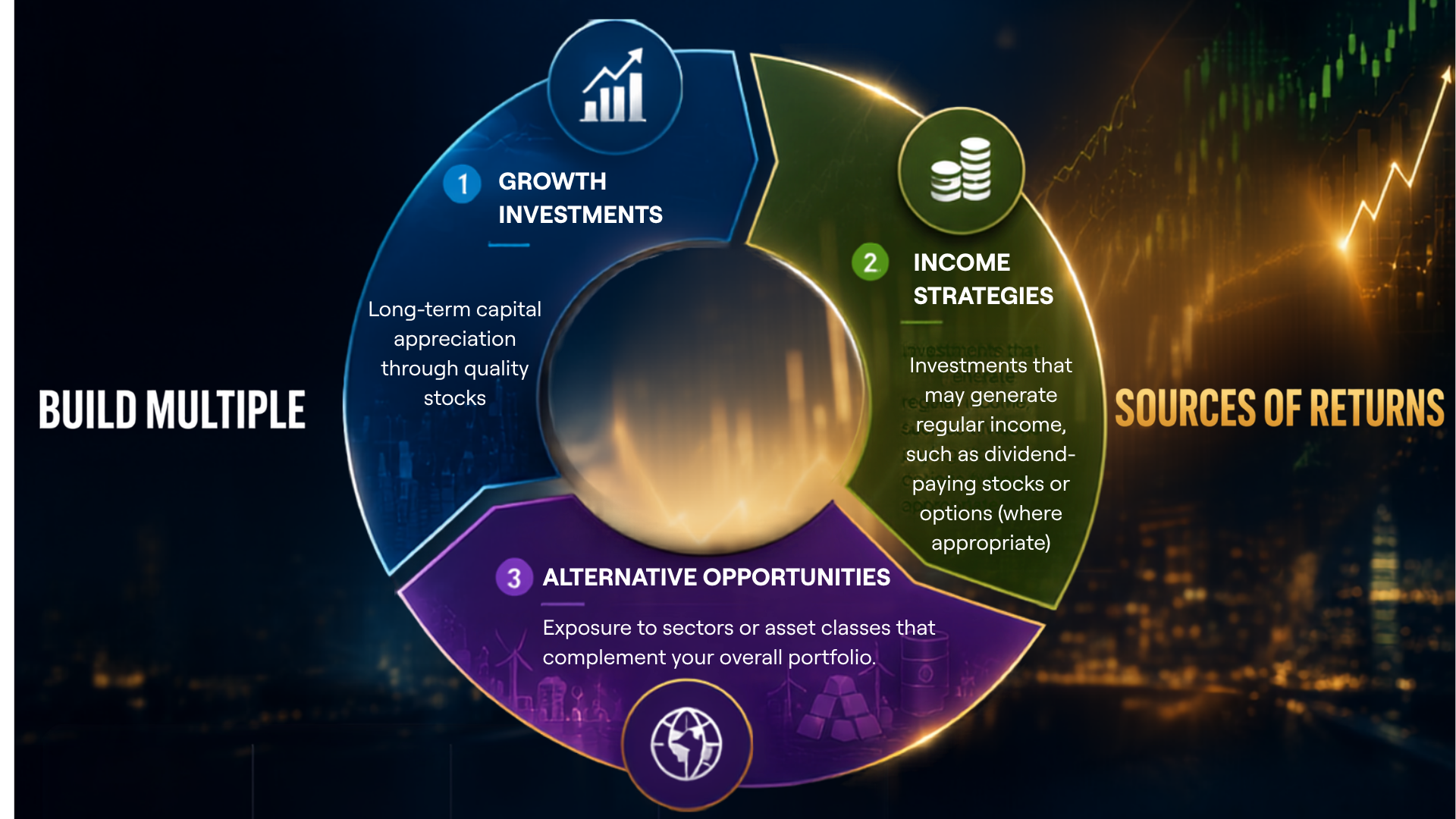
Build Multiple Sources of Returns
Don’t rely on a single investment type. Consider:
- Growth investments – quality stocks for long-term appreciation
- Income strategies – dividend stocks or options for steady returns
- Alternative opportunities – complementary sectors or assets
The goal is a portfolio that performs across various market conditions, not just in one scenario.
Invest with a Long-Term Mindset
Short-term volatility is inevitable. Prioritize long-term structural trends like AI, clean energy, cybersecurity, and demographic shifts, which often drive consistent growth over time.
Keep Learning
Markets evolve constantly. Staying informed about macroeconomic trends, emerging technologies, and financial tools allows you to make smarter investment decisions and act confidently when opportunities arise.
Conclusion
Volatility is part of investing — it cannot be avoided, only navigated. The difference between success and frustration is preparation.
In 2026, investors should prioritize diversification, quality businesses, risk management, and a long-term mindset. Coupled with continuous learning and disciplined execution, these strategies can turn market uncertainty into opportunity.
At Spiking, we focus on helping investors make informed decisions, leveraging data-driven insights and strategic approaches to thrive in any market environment. Consistency and preparation are the real keys to long-term success.