Spiking/The Disclosed Record
Options · Field Note 01
Long Call
The part that's not on the billboard

The Catch

A long call is the most-bought option in the market — and the least understood. The appeal is real: a floor under your loss, no ceiling on your gain. The catch is the part nobody mentions — a clock working against you every single day, and the fact that being right isn't enough.

Not a recommendation · No price targets
$0 · break-even line STRIKE the price you can buy at MAX LOSS — the premium, capped BREAK-EVEN = strike + premium UNCAPPED ↗ stock price at expiry →
Fig. 1 — The long call payoff at expiry. Loss is fixed and small; profit has no upper bound. Illustrative shape, not a forecast.
15.2B
US options contracts traded in 2025 — a 6th straight record year
35M vs 25.5M
Daily calls vs puts in 2025 — the crowd leans long the upside
~1 in 3
Options that actually expire worthless — not the mythical 9 in 10
The shape · what you actually buy

A call is a contract, not a stock. Three numbers decide it.

You're not buying a company. You're buying the right — not the obligation — to buy 100 shares at a fixed price, before a fixed date. Everything the trade can do is set by these three.

01 · what you pay

Premium

The price of the contract, paid upfront. It is also, exactly, your maximum loss — the entire floor in Fig. 1.

↳ your risk, in full
02 · where it bends

Strike

The fixed price you're locking in. Below it the payoff is flat; above it, the call starts to move with the stock.

↳ the pivot point
03 · the deadline

Expiry

The date the right expires. The time until then is what you're really renting — and it drains away daily.

↳ the clock

Get the direction dead right, but miss any one of these three — wrong strike, too little time, too thin a cushion for the premium — and the call still loses.

The cost · why you start behind

The day you buy, you've already paid more than it's worth.

strike value today (you pay) value at expiry time value

When you buy a call at or near the strike, its intrinsic value — what it would pay if it expired that instant — is often zero. Yet you paid real money.

That money is time value: the price of the chance that the stock climbs before the clock runs out. It's the gap between the two lines.

So the stock doesn't just need to reach the strike. It has to clear the break-even — strike plus premium — before you've made a single dollar. Until then, you can be up on direction and still down on the trade.

Being right isn't enough. You have to be right by more than you paid, before the deadline.

The clock · the same call, day by day

Hold still, and the premium bleeds — faster near the end.

Freeze the stock price and let only time pass. This is what happens to the option's time value on each day toward expiry. The slide starts gentle and turns into a cliff. Traders call it theta.

30d 18d 9d 1d time value
◼ same stock price throughout ◼ each bar = one step closer to expiry ◼ the last days fall the hardest

Being right, but late, is the same as being wrong. A call that would have paid handsomely next month can expire worthless this Friday.

Both sides · the shape cuts two ways

Why the same shape is the appeal — and the catch.

The case for it

  • Loss is capped and known. You can never lose more than the premium — decided before you enter.
  • Upside has no ceiling. If the stock runs, the call runs with it and keeps going.
  • Small outlay, large exposure. A modest premium tracks 100 shares' worth of movement.
  • Defined-risk by design. The most you can lose is on the table in plain sight.

The caution

  • Time is always against you. Every flat day costs premium; the decay never sleeps.
  • Right and still ruined. You can call the direction and lose 100% on timing alone.
  • Small losses feel painless. So people buy too many, too often.
  • They add up. A stack of capped losses quietly becomes one large one.
The honest page · read this part twice

What no one selling you a course wants to say out loud.

You can lose all of it.

"Defined risk" means a defined, real loss — and for a long call that loss is frequently the entire premium. Not most. All.

The clock is not your friend.

Unlike owning shares, a call has an expiry. Do nothing and it decays anyway. The buyer pays rent on time.

This is a concept, not a call.

Nothing here is a recommendation to buy anything. No price targets. No "you should." We don't tell you that — nobody honest can.

Verify before you act.

Options aren't suitable for everyone. Understand the mechanics and the risk of total loss, and check anything that matters with your own eyes.

One honest sentence to carry: a long call is a tool for expressing a view with capped risk — not a shortcut to being right. If you don't know exactly what you'd lose and by when, you're not ready to place it.

See the shape drawn live.

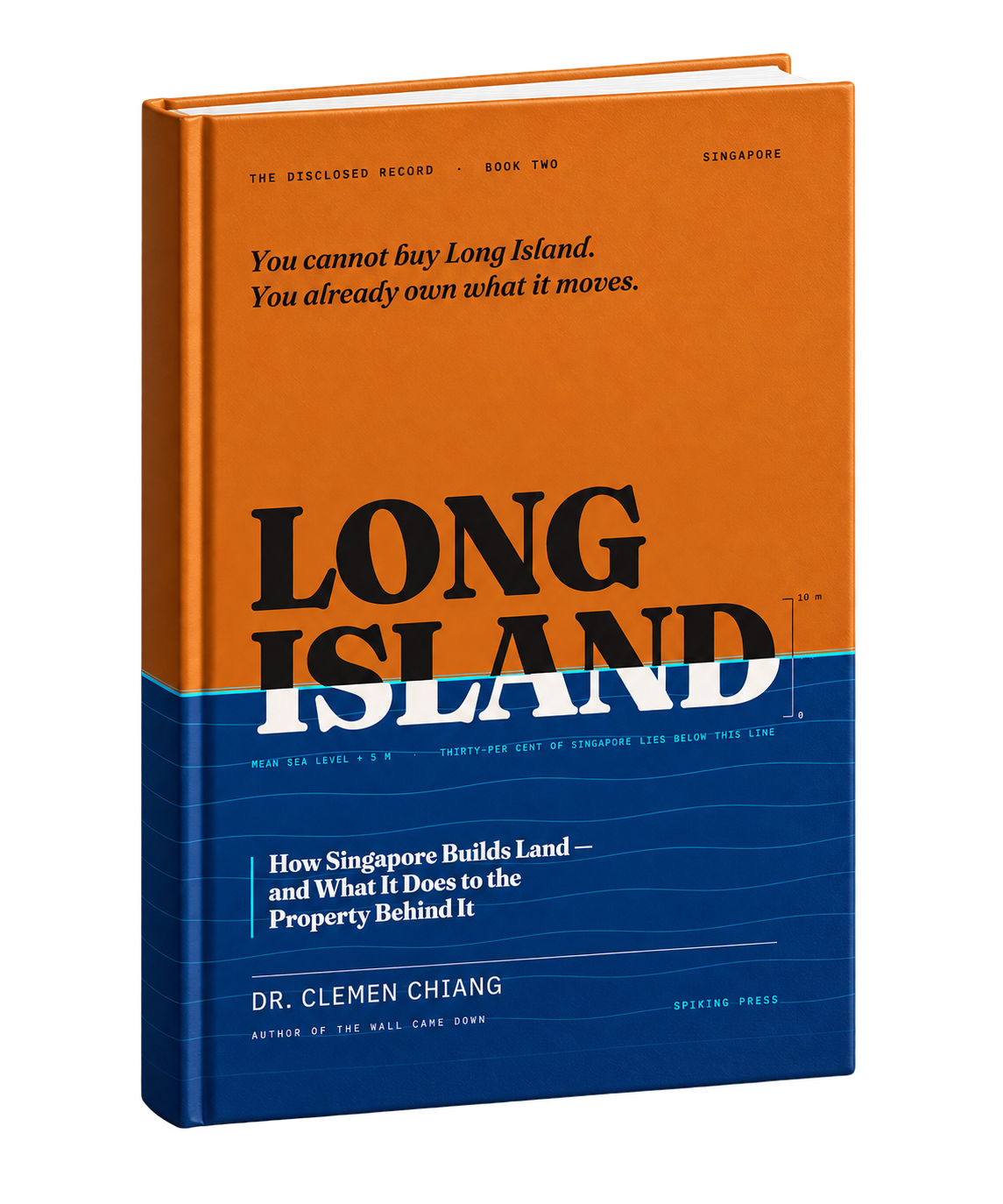
We walk through the long call — and every structure built on it — inside the free Spiking masterclass: US Stocks · Options · Long Island. The mechanics, the record, the risks. No targets, no hype.

Save my free seat →
Educational only · Not financial advice