Decision Guide · FLAT
Singapore · 2026 figures
Singapore · 2026 figures
The biggest money decision most Singaporeans ever make is their first one — and "just go BTO" is the wrong advice for half of them. It was never about which is cheaper. It's about which one fits your life. Here's the honest map.
On paper, a new BTO 4-room can land $150,000–$250,000 below a comparable resale flat — subsidised, with a fresh 99-year lease. That's the whole case for BTO. But the discount only exists if you can do one thing: wait. Most projects take three to four years, though 2026 wait times have shortened — the fastest recent project was ready in under two years, and roughly a quarter of new launches are now "shorter-wait" builds.
Resale flips it: the transaction completes in under three months, so you move in almost immediately — but you pay market price. And the wait has a cost people forget. Renting for four years while a BTO is built can run around $96,000 — enough to erase half the upfront saving. The BTO discount is real mainly if you can wait and live with family in the meantime.
Illustrative 2026 figures · non-mature 4-room · actual prices vary by project, floor and facing
This is the number most BTO evangelists skip. BTO buyers get the Enhanced CPF Housing Grant and nothing else. Resale first-timers can stack three grants — the EHG, the Family Grant and the Proximity Housing Grant — quietly narrowing that headline price difference.
Two resale traps to price in, though. If your offer exceeds HDB's valuation, the Cash-Over-Valuation gap must be paid in cash. And the EHG shrinks — often to zero — once a resale flat is valued above roughly $500,000, which rules out many popular 4-room flats. The full $230k stack is realistic mainly for lower-income first-timers buying a modestly-priced flat near family.
Since late 2024, every new BTO is classified by location — and the class dictates how long you're locked in and how you can eventually sell. Choose the location, and you choose the rules.
The clawback is charged on your eventual selling price, so the dollar cost grows as the flat appreciates — and it's a one-time deduction on first resale. The takeaway: a Plus or Prime flat is a ten-year-plus home, not an upgrade stepping stone. If mobility matters, Standard is the flexible choice.
The same two options are right and wrong for completely different people. Find yourself below.
Apply for a BTO as a backup while actively viewing resale. A good queue number → take the BTO. No luck → buy resale, rather than burning three ballot cycles you can never get back. Don't let sunk waiting time make the decision for you.
An HDB flat is a home first. Neither route is a guaranteed win. When prices run hot, the government cools them — you watched HDB resale prices actually fall for two straight quarters this year, the first back-to-back decline in nearly seven years.
BTO usually appreciates more in percentage terms because you enter below market — but "usually" is not "guaranteed," and the new Plus and Prime rules genuinely temper it with a decade-long lock and a clawback. Figures here are 2026 estimates drawn from HDB and Singapore news media; grants and rules are means-tested and change, so confirm your own numbers through the HDB Flat Eligibility (HFE) letter before you commit.
This guide is decision-support — the rules and the trade-offs, organised so you can choose. It is not financial advice.
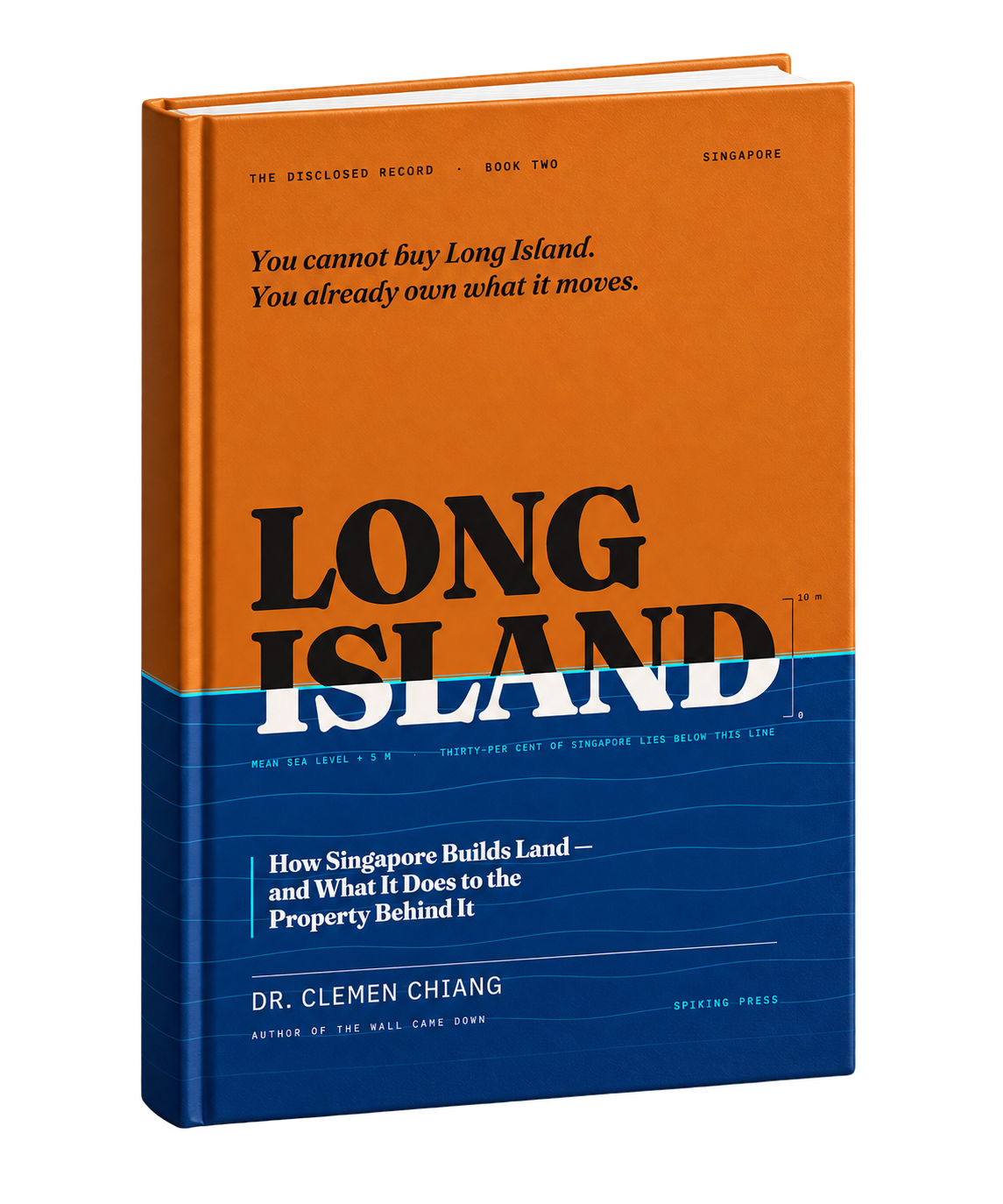
Whether you go BTO or resale, the real question five or ten years out is the same: can you upgrade? And that answer lives in something bigger than any single flat — where Singapore's property market, and its future supply, is heading. In a country where property is the single largest driver of household wealth, reading that map early is the whole game.
Join the free live masterclass — US stocks, options, and the Singapore property picture, Long Island included — and learn to read the market and its supply for yourself, before the crowd catches on. No price targets. No hype. Just the method.
Save my free seat →